 DealerPrep.ca
OMVIC discipline case ·
OMVIC fines Hot Wheels Car Sales $10,000 for selling cars with hidden total-loss, theft, and salvage history
OMVIC's Discipline Tribunal fined Hot Wheels Car Sales $10,000 on December 29, 2025: five cars sold with no accident, total-loss or salvage disclosure.
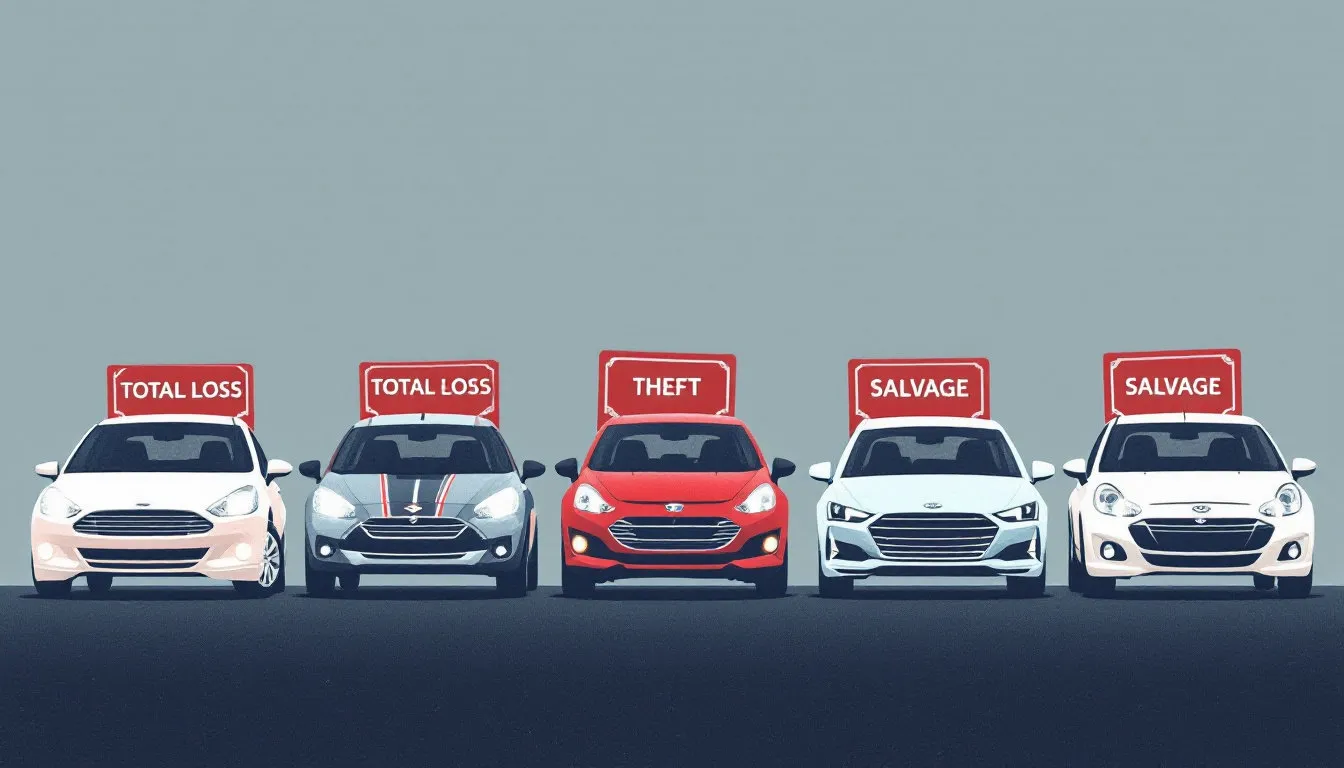
OMVIC’s Discipline Tribunal fined 2706818 Ontario Ltd. o/a Hot Wheels Car Sales $10,000 on December 29, 2025 after an inspection found five vehicles sold without the history disclosures the Code of Ethics requires. The fine is staged in four $2,500 instalments over the year following the order. Taslima Ismail, the dealer’s director and Person in Charge of day-to-day operations, was personally found in breach and must complete the MVDA Key Elements Course within 90 days. The dealer must also offer to fund the Automotive Certification Course for every current and future salesperson. The order rests on an Agreed Statement of Facts dated October 20, 2025.
Where the recent all-in pricing cases on the site are about the advertised number, this one is about the bill of sale. On January 28, 2025 an OMVIC inspector attended the dealership for a books and records inspection and found a consistent pattern across five vehicles: the documents left out facts that a buyer needs to know before paying.
The five vehicles
Three vehicles were sold to other dealers on wholesale bills of sale, which carry their own disclosure rules under s. 5 of the Code of Ethics.
- 2016 Audi A5, sold July 5, 2024. The wholesale bill of sale did not disclose a $29,882 accident claim, a cancelled manufacturer’s warranty, a total-loss declaration, or a prior theft with a $32,704 theft claim. That engaged s. 5(16), 5(17), 5(18), and 5(21).
- 2021 GMC Yukon Denali, sold April 23, 2024. The document omitted a cancelled warranty, a prior theft with a $49,848 claim, and previous registration in Arkansas and Tennessee. That engaged s. 5(17), 5(21), and 5(19), the out-of-province history rule.
- 2023 Ford F150 Tremor, sold December 3, 2024. The bill of sale hid a cancelled warranty, a total-loss declaration, a $46,467 accident claim, and salvage branding under s. 5(20).
Two vehicles went to consumers, where the retail disclosure rules in s. 42 of O. Reg. 333/08 apply.
- 2021 Toyota RAV4, sold July 6, 2024. The retail bill of sale did not disclose a total-loss declaration (s. 42(21)), a $16,221 accident estimate (s. 42(19)), or prior daily rental use (s. 42(7)).
- 2022 Ford F150, sold January 22, 2025. The bill of sale omitted a cancelled warranty (s. 42(20)), a total-loss declaration (s. 42(21)), and a $51,980 accident claim (s. 42(19)). On top of that, a safety standards certificate had been issued for the vehicle on January 16, 2025, yet the dealer sold it to the consumer on an as-is basis. Selling as-is once an SSC has issued is prohibited by s. 40(3) of O. Reg. 333/08.
Across all five, the dealer was also found in breach of s. 7(1) (documents must be current and comply with the law) and s. 9(1) and s. 9(3) of the Code.
The Person in Charge was on the hook personally
Ismail was registered as a salesperson in March 2021 and was at all material times the director and Person in Charge of the dealer’s day-to-day activities. She signed the transactions. By acting as the salesperson on these sales and running the operation, she personally breached s. 6(2), the rule that a salesperson must not do or omit anything that causes the dealer to contravene the law, along with s. 9(1) and 9(3). Her remediation is the Key Elements Course.
This is the same accountability mechanism that ran through the Riverside Chevrolet order: the person who runs the day-to-day operation does not escape a personal finding because the breach happened at the dealer level. Here the inspection also recorded that the Registrar had reminded the dealer and Ismail of their bill-of-sale disclosure obligations during a remote inspection back in April 2021.
Why $10,000
The panel said the transactions “all follow a similar pattern of non-disclosure” and that it was “very troubled by this pattern in an industry where full disclosure is not optional.” The fact that the pattern hit both dealer trades and consumer sales weighed against the dealer. In mitigation, the panel noted the acceptance of responsibility through the Agreed Statement of Facts and that this was a first appearance before the Discipline Tribunal. It placed the $10,000 fine in line with comparison cases involving multiple infractions, which ran in the $10,000 to $11,500 range.
What to learn
- Wholesale and retail disclosure are two separate rule sets, and both bite. Selling to another dealer engages the s. 5 Code disclosures; selling to a consumer engages s. 42 of O. Reg. 333/08. Accident claims over $3,000, cancelled warranties, total-loss declarations, salvage branding, prior theft, and out-of-province history all have to be on the document.
- A safety certificate kills the as-is option. Section 40(3) prohibits an as-is sale to a consumer once a current SSC has been issued for the vehicle. A dealer cannot certify a car and then sell it as-is to shed responsibility.
- The Person in Charge wears the dealer’s breaches. A director who is also the registered salesperson signing the contracts attracts a personal s. 6(2) finding and a personal education order. The corporate structure does not absorb the individual accountability.